



Haldane Energy joined policymakers, system operators and industry leaders in Liverpool for RenewableUK’s Future Energy System Conference, the first event of its kind to examine the UK energy system as a whole.
Hosted at The Spine, the conference focused on how the energy system must evolve through the 2030s as renewable generation expands, electricity demand grows and ageing gas-fired power stations retire.
As a strategic partner of RenewableUK, Haldane Energy’s CEO Lawson Steele took part in the opening panel; What will the energy system look like in the 2030s?
Chaired by Barnaby Wharton, Head of Flexibility and Grid at RenewableUK, the panel brought together representatives from the National Energy System Operator, DESNZ, Flexitricity and LCP Delta to explore the infrastructure and policy decisions needed to maintain security of supply in a renewables-led system.
Haldane Energy also contributed to the conference’s industry peer presentations session, Unlocking the long game in energy storage, with Commercial and Technical Director Wes Tivnen presenting on hydrogen-derived long-duration electricity storage (H₂-LDES).
Chaired by Lucinda Tonge of RenewableUK, the session brought together perspectives from government, developers and technology providers on the role of long-duration storage in a Clean Power 2030-aligned system.
Wes outlined how transmission-connected electrolysis and hydrogen-driven storage can complement other long-duration technologies, address the system’s continued reliance on unabated gas, and provide an economic way to store large volumes of renewable energy for extended periods.
He also highlighted the importance of taking a long-term view of how the power system may evolve over the next 15 years, and the need for solutions that are scalable, proven and designed for system-level resilience.
By bringing together policymakers, developers and system operators, the Future Energy System Conference marked an important step towards a more integrated view of the UK’s energy transition – one that recognises the need to plan generation, networks and storage together.
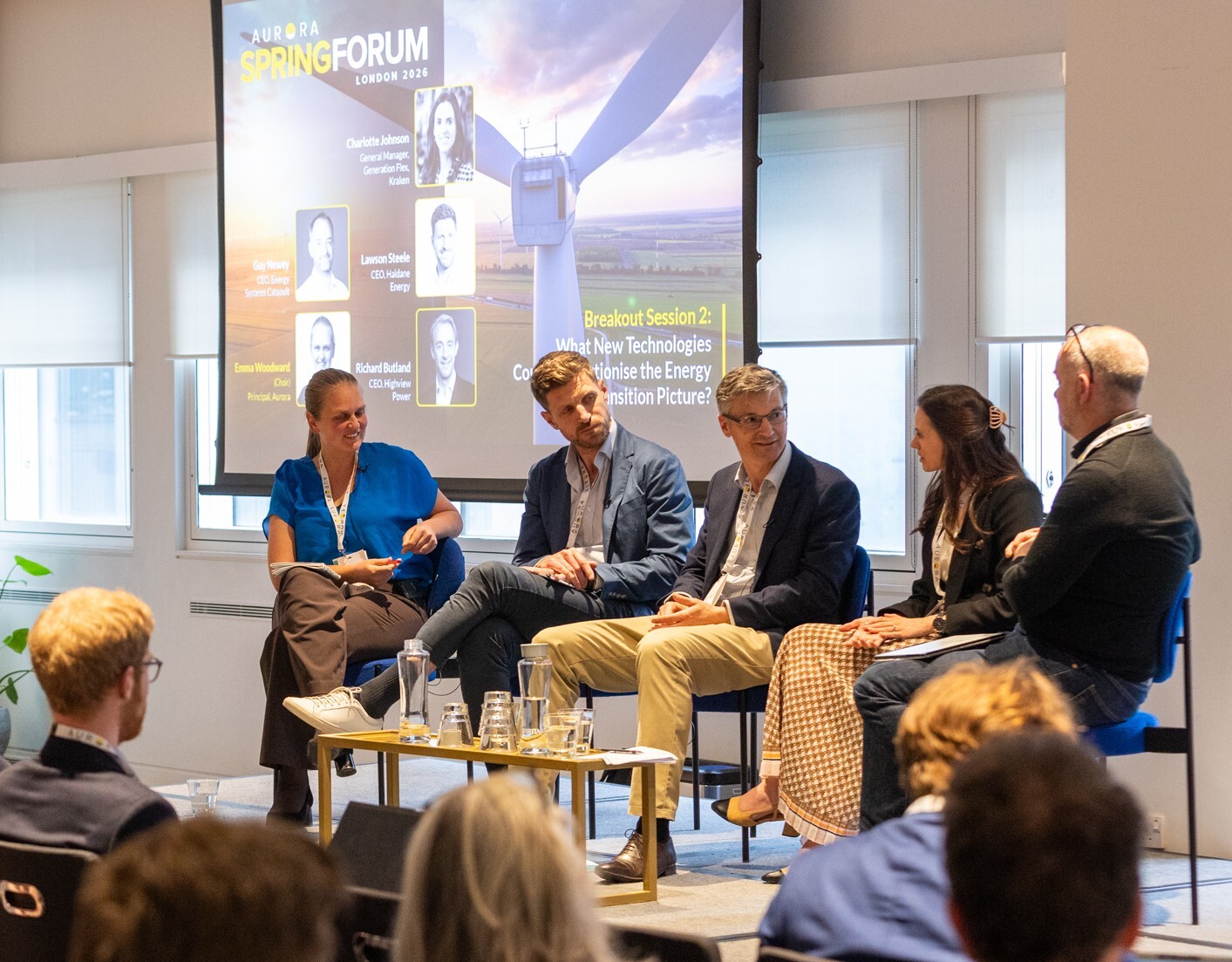
Haldane Energy CEO Lawson Steele joined Aurora Energy Research’s Spring Summit to explore what the power system will demand in the next decade.

Lord Tom Watson explores a critical weakness in Britain’s energy system: dependence on volatile global gas markets. As conflict flares abroad, he argues energy security must be designed at home.
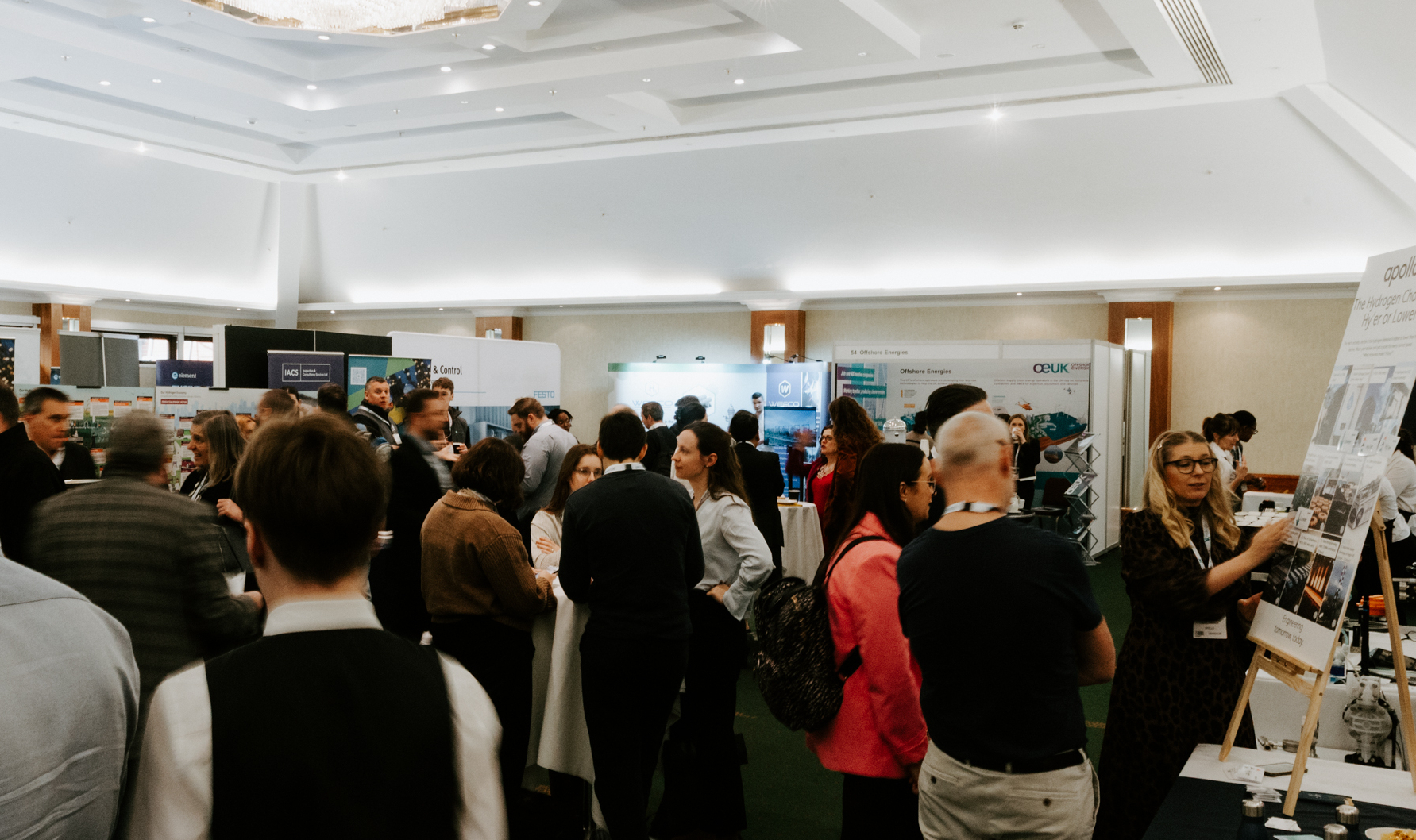
Hydrogen’s role in the UK energy system is coming into sharper focus. Drawing on insights from the Hydrogen UK Conference, Wes Tivnen explores how hydrogen can support reliability, unlock value and accelerate delivery across the power system.