



When Susan Arkley joined Haldane Energy in 2023, she was entering an entirely new industry. With a background in International Relations and Economics and experience from a graduate programme in the investment sector, she developed strong foundations in commercial analysis, financial modelling and communication. But she was looking for something more purposeful.
“I wanted my work to contribute to something tangible,” Susan says. “Something where you could see the impact of what you’re doing.”
That search led her to the energy sector – and specifically to Haldane Energy, where she joined as a Commercial Analyst working on hydrogen-derived long duration electricity storage (H₂-LDES). The transition was a steep learning curve. Like many entering the energy industry for the first time, Susan quickly had to get to grips with unfamiliar concepts and policy frameworks
But the complexity of the sector quickly became part of the appeal.
“Energy is one of those industries where the more you learn, the more interesting it becomes,” she says. “It’s constantly evolving, and the decisions being made today will shape the energy system for decades.”
Navigating a complex energy system
Today, Susan is Business & Corporate Development Manager at Haldane Energy, where she works at the intersection of policy, finance and project development.
Her role reflects the multifaceted nature of modern energy infrastructure development. On any given week she might move between analysing market frameworks, performing financial modelling, engaging with partners, or assessing how policy decisions could influence future projects.
The work supports Haldane Energy’s mission to develop technologies that can store surplus renewable power and deliver dispatchable electricity when wind and solar output are low - including hydrogen-derived long duration electricity storage (H₂-LDES).
As renewable generation grows and ageing gas plants retire, the UK will need new forms of reliable, dispatchable capacity through the 2030s. Long-duration electricity storage will play an important role in helping bridge this gap by storing renewable energy and releasing it when the system needs it most.
Turning strategy into progress
Working in a small, fast-moving team means Susan is exposed to many parts of the business – a breadth she values deeply.
“In a single day you might move from a budget discussion to a stakeholder meeting, then into conversations about land or grid connections,” she explains. “It keeps things varied, and you learn very quickly.”
The collaborative nature of the work is also central to how projects progress. Developing major energy infrastructure requires coordination between policymakers, system operators, engineers, investors and local stakeholders.
Susan spends a significant amount of time engaging with those groups – helping translate complex technical and policy issues into clear discussions about what Haldane’s projects could deliver for the energy system.
Her approach is grounded in constructive dialogue, focusing on practical solutions and shared outcomes when working with policymakers, partners and stakeholders.
Connecting national ambitions with local communities
One of the most rewarding aspects of Susan’s role has been working directly with landowners in regions where geological storage may be possible.
Hydrogen storage caverns are typically developed deep underground in naturally occurring salt formations. For landowners, that can represent an unexpected opportunity.
“You sit at someone’s kitchen table and explain the concept and what it might mean for them long term,” Susan says. “For some people it can be genuinely life changing.”
Those conversations are an important reminder that the energy transition is not just about national policy or technology – it also involves communities and individuals across the country.
By connecting national decarbonisation goals with local economic opportunity, projects like these can play a role in supporting regional growth while enabling the UK’s shift towards a more resilient energy system.
Encouraging the next generation
Although still early in her career, Susan is also keen to support others exploring opportunities in the sector.
She regularly speaks with university students and early-career professionals interested in the energy transition, sharing insights about the industry and offering practical career advice. One of the key messages she emphasises is that there is no single route into the sector.
“You don’t need to be an engineer to work in energy,” she says. “There are so many different skillsets involved – commercial, policy, communications, finance. It’s an incredibly multidisciplinary industry.”
Her own journey reflects that diversity of pathways.
Part of a bigger transition
For Susan, one of the most exciting aspects of working at Haldane Energy is the long-term potential of the projects under development.
Infrastructure like hydrogen-derived long duration electricity storage takes years to bring to life – but when it does, the impact can be substantial.
“These are projects that could operate for decades,” she says. “To think that you might one day look back and say you helped build something that supports the UK’s energy system is incredibly motivating.”
As the UK continues to transition towards a renewables-led electricity system, the need for reliable, flexible infrastructure will only grow.
For Susan, being part of that journey – and helping turn ideas into real projects – is exactly the kind of meaningful work she was looking for when she entered the sector.
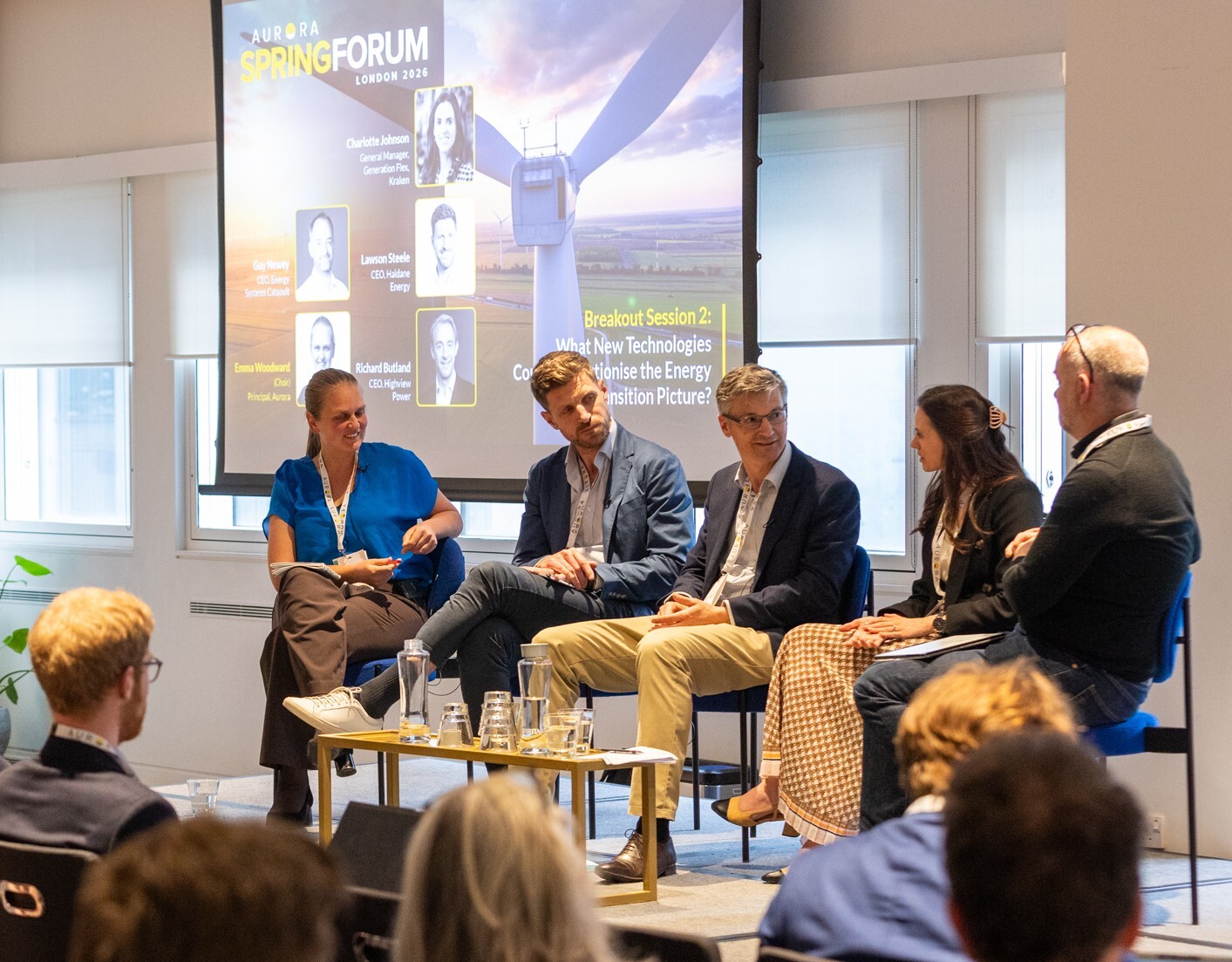
Haldane Energy CEO Lawson Steele joined Aurora Energy Research’s Spring Summit to explore what the power system will demand in the next decade.

Lord Tom Watson explores a critical weakness in Britain’s energy system: dependence on volatile global gas markets. As conflict flares abroad, he argues energy security must be designed at home.
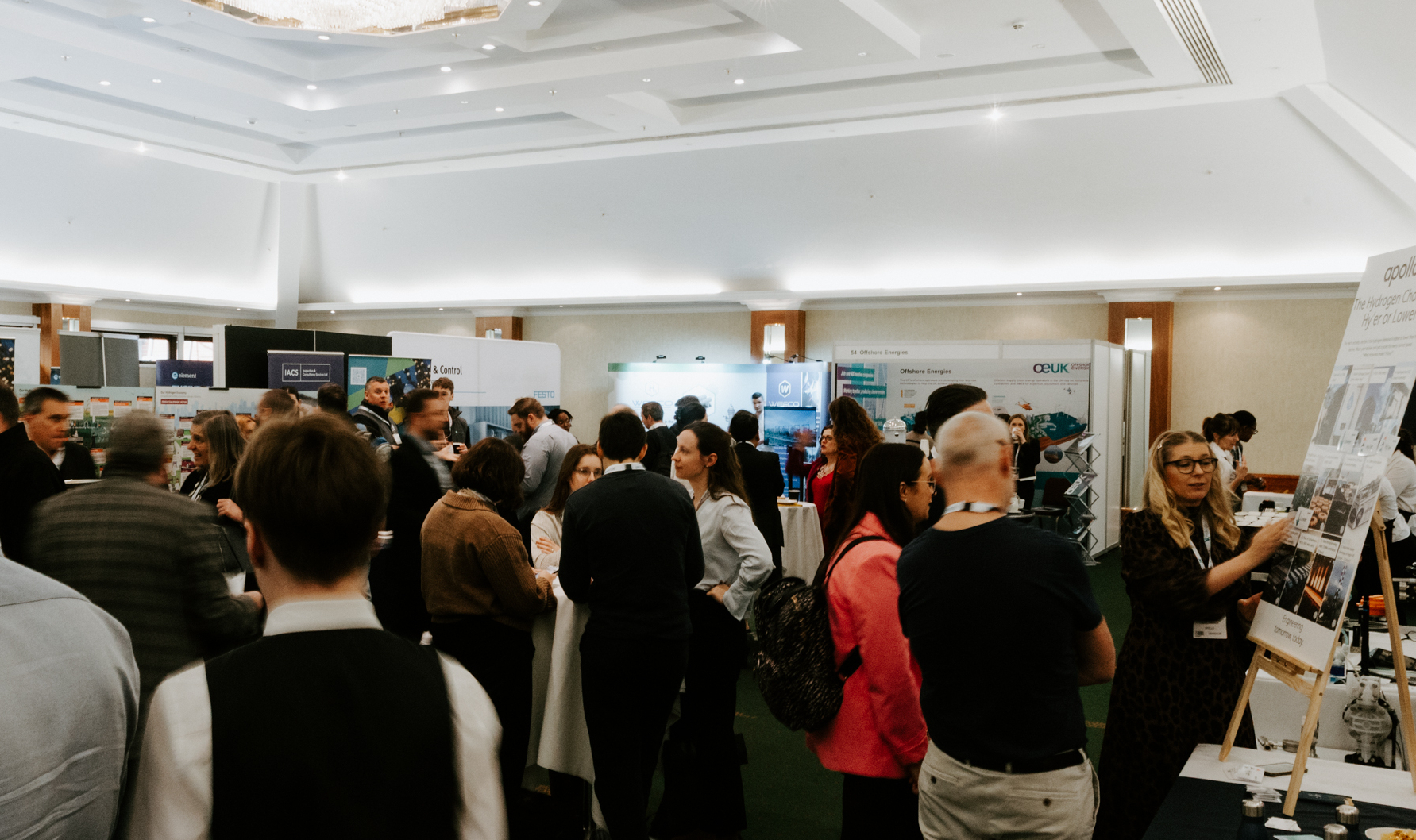
Hydrogen’s role in the UK energy system is coming into sharper focus. Drawing on insights from the Hydrogen UK Conference, Wes Tivnen explores how hydrogen can support reliability, unlock value and accelerate delivery across the power system.